Cardiac Arrest Demands Emergency EEG
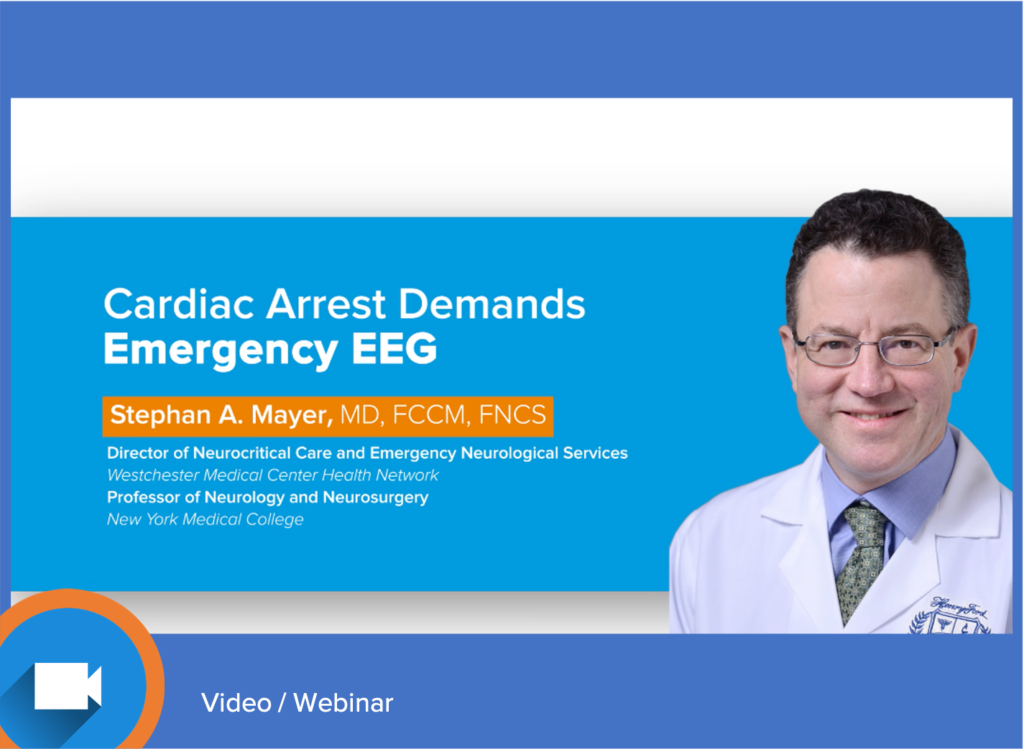
Dr. Stephan A. Mayer presents on Cardiac Arrest and Emergency EEG
Economic Value of Ceribell Rapid EEG

Potentially life-threatening diagnosis of non-convulsive status epilepticus (NCSE) can only be confirmed with electroencephalography (EEG). When access to EEG is limited, physicians may empirically treat, risking unnecessary sedation and intubation, or not treat, increasing risk of refractory seizures. Either may prolong hospital length of stay (LOS). The current study aimed to examine the effect of […]
Evaluating the Utility of Rapid Response EEG in Emergency Care
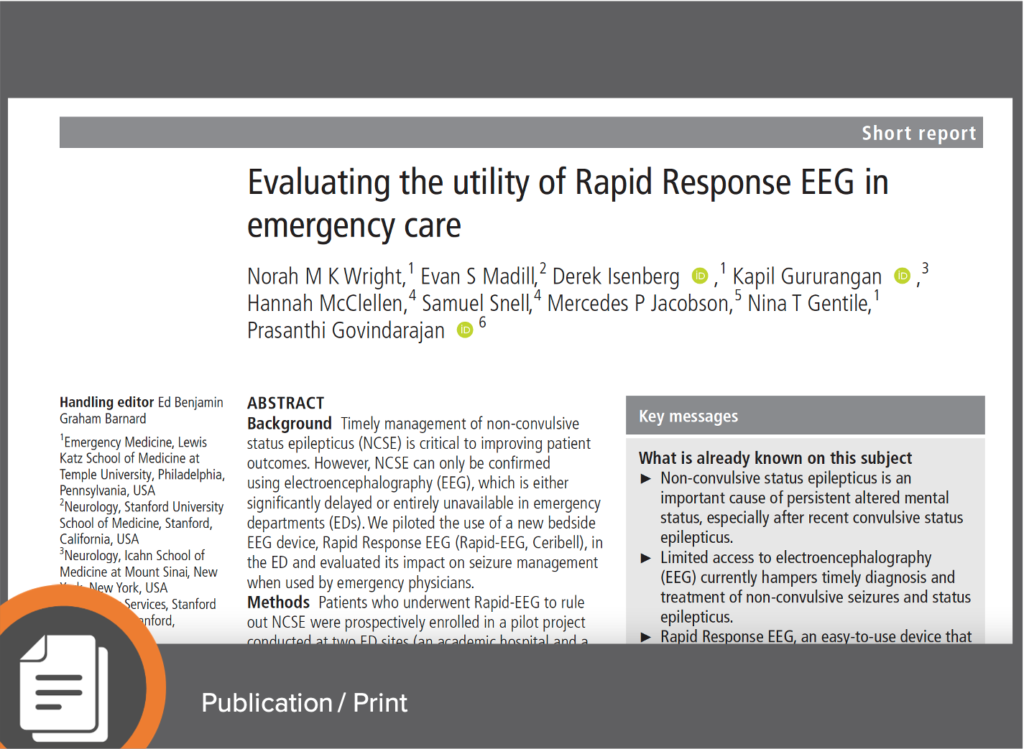
Rapid- EEG was successfully deployed by emergency physicians at academic and community hospitals, and the device changed management in a majority of cases. Widespread adoption of Rapid- EEG may lead to earlier diagnosis of NCSE, reduced unnecessary treatment and expedited disposition of seizure mimics.
Educational Webinar: AHA Post-Cardiac Arrest Class 1 Guidelines

Dr. Jake Adams presented on: – Patient risk for seizure after cardiac arrest – The implications of prolonged seizure/status in this patient population – Implementing the guidelines for prompt EEG in a community setting – Case review and impact Jake Adams, DO National Tele-ICU Director – Sound Critical Care Northern California Dr. Jake Adams, is […]
Skill-building Webinar: Reading Ceribell EEG
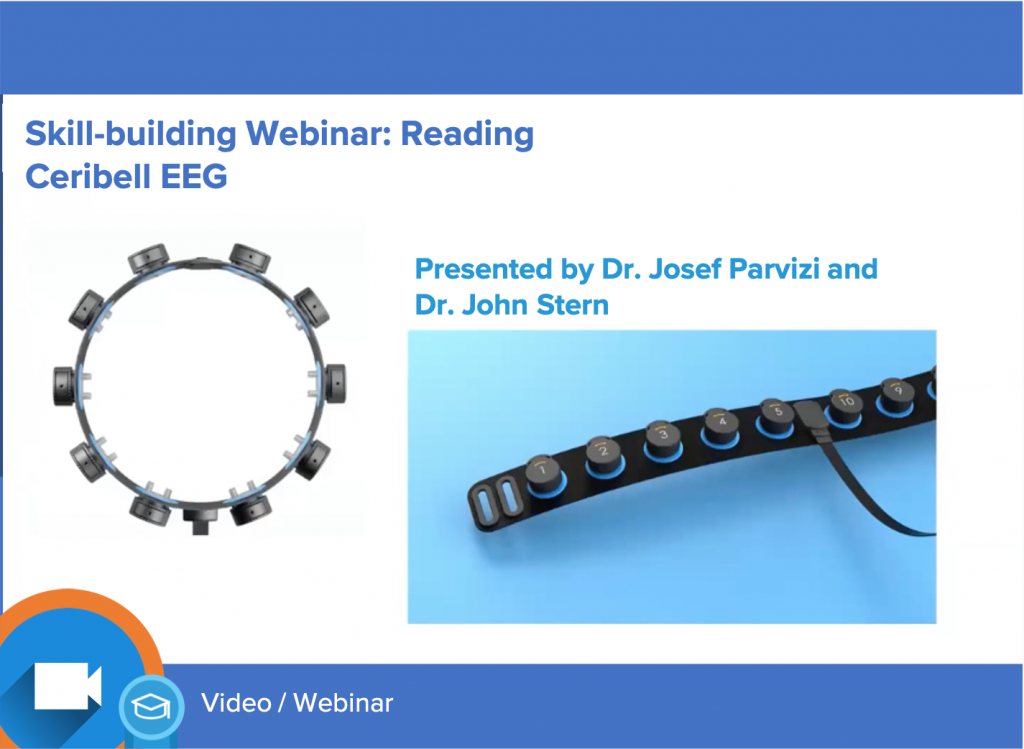
Dr. Josef Parvizi and Dr. John Stern discuss: The basics of EEG Common artifacts and EEG characteristics EEG examples on Ceribell Real-world cases with Ceribell EEG (recorded at the 3.25 AM session) Dr. Josef Parvizi, MD, PhD is a Professor of Neurology and Neurological Sciences at Stanford University Medical Center. He has extensively published original scientific works […]
An Interdisciplinary Approach to Managing Nonconvulsive Status Epilepticus
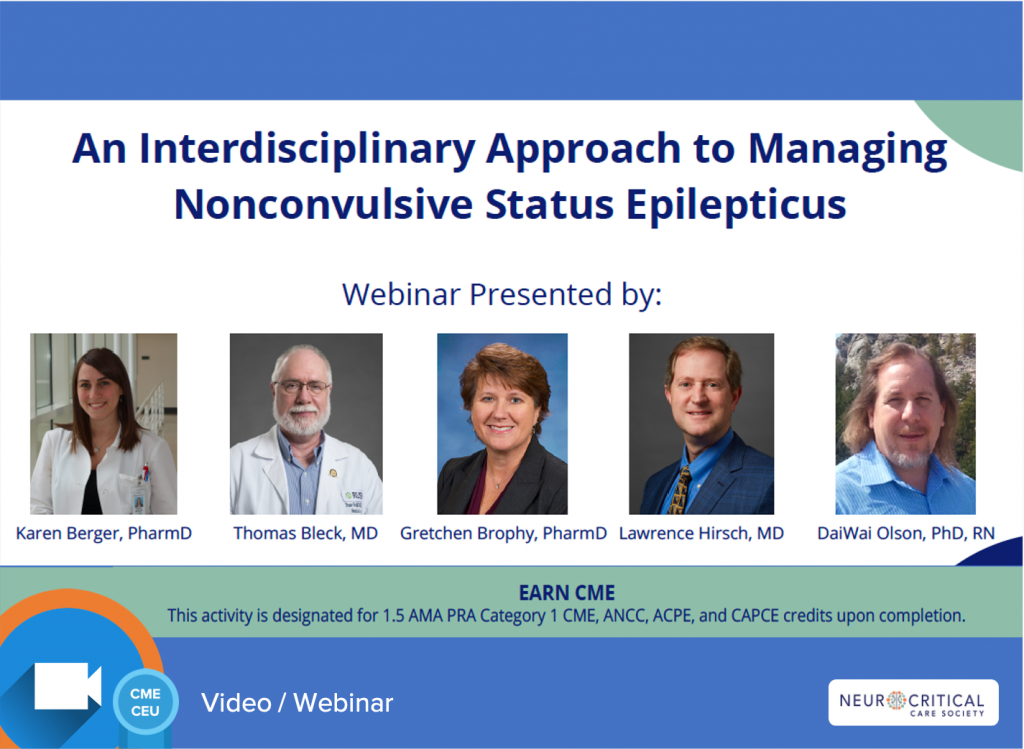
The Neurocritical Care Society (NCS) presents a FREE CME Source: An Interdisciplinary Approach to Managing Nonconvulsive Status Epilepticus Speakers: Thomas Bleck, DaiWai Olson, Lawrence Hirsch, Karen Berger Moderator: Gretchen Brophy Please access the CME course via this link: https://www.pathlms.com/ncs-ondemand/courses/1815/video_presentations/173862?ut%E2%80%A6%20 The webinar covers the evolution of EEG monitoring with respect to changes in delegation of authority […]
NCSE Is A Medical Emergency – Dr. Tom Bleck
Dr. Tom Bleck discusses NCSE diagnosis and management (recorded at Ceribell’s Symposium at NCS 2019) Thomas P. Bleck, MD, MCCM, FNCS is a Professor of Neurology at Northwestern University Feinberg School of Medicine and Professor Emeritus of Neurological Sciences, Neurosurgery, Medicine, and Anesthesiology at Rush Medical College. Dr. Bleck was the founding president of the Neurocritical Care Society and is an […]
DECIDE Study Assessing The Impact of Ceribell EEG – Manuscript Review With Dr. Paul Vespa
Dr. Paul Vespa, Assistant Dean of Critical Care Medicine, Research and David Geffen School of Medicine, UCLA and Gary L. Brinderson Family Chair in Neurocritical Care at David Geffen School of Medicine, UCLA and co-author of the DECIDE paper presents the study. Ceribell™ Rapid Response EEG was demonstrated to significantly improve clinical accuracy and confidence […]
Clarity AI For 24/7 EEG Monitoring Alert – Manuscript Review With Dr. James Quinn
Dr. James Quinn, Professor of Emergency Medicine at Stanford and co-author of the Ceribell Clarity AI paper presents the study. Of the 179 EEG recordings in which Claritγ detected no seizures, [Clarity had a] negative predictive value of 99%. Individual expert raters displayed variability in both sensitivity (range 20–89%) and specificity (range 94–99%). The sensitivity […]
Perspectives On Ceribell Rapid EEG – Critical Care Monitoring With Rapid EEG During the COVID-19 Pandemic

Parshaw Dorriz shares real-world experiences: Impact of Ceribell Rapid Response EEG Dr Dorriz is the Chief of Neurology at Mission Hospital in Mission Viejo, California.
2020 AHA guidelines recommend prompt EEG after cardiac arrest. With Ceribell, any bedside clinician can set-up EEG and triage in minutes.
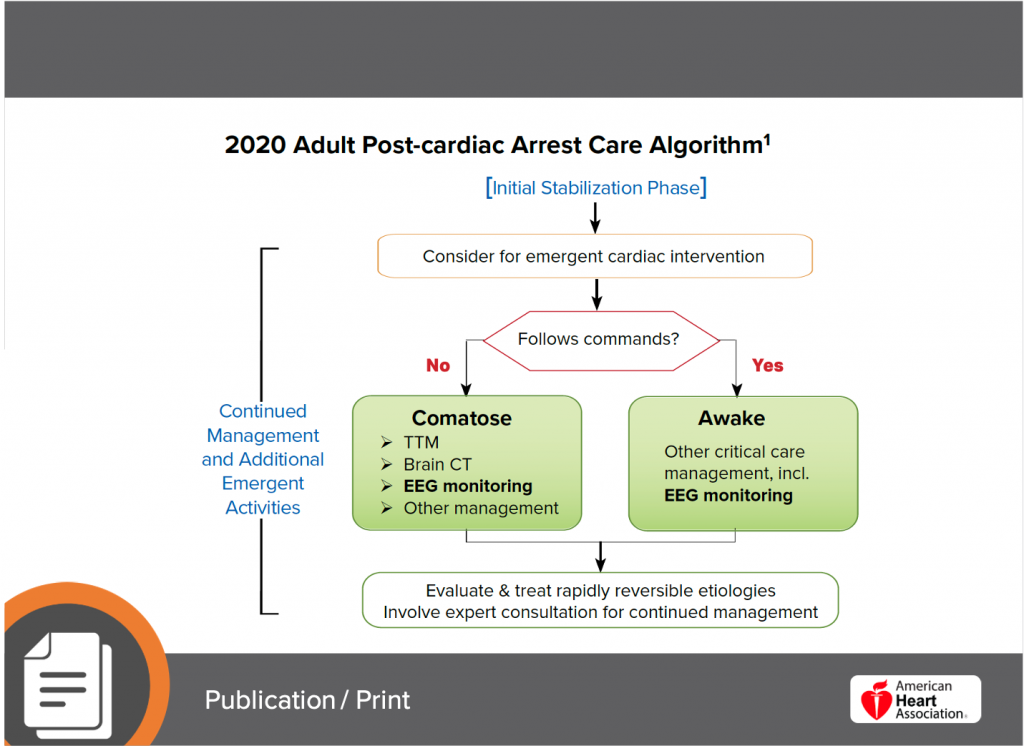
“Many cardiac arrest patients who survive the initial event will eventually die because of withdrawal of life-sustaining treatment in the setting of neurological injury… Thus, much of post-arrest care focuses on mitigating injury to the brain.” -Circulation. 2020;142(suppl 2):S366–S468. DOI: 10.1161/CIR.0000000000000916 Prompt EEG is recommended for post-cardiac arrest monitoring and prognostication. Download the guidelines here.
Dr. Stephan Mayer Webinar: Post Cardiac Arrest Guidelines and Neuromonitoring In the ICU
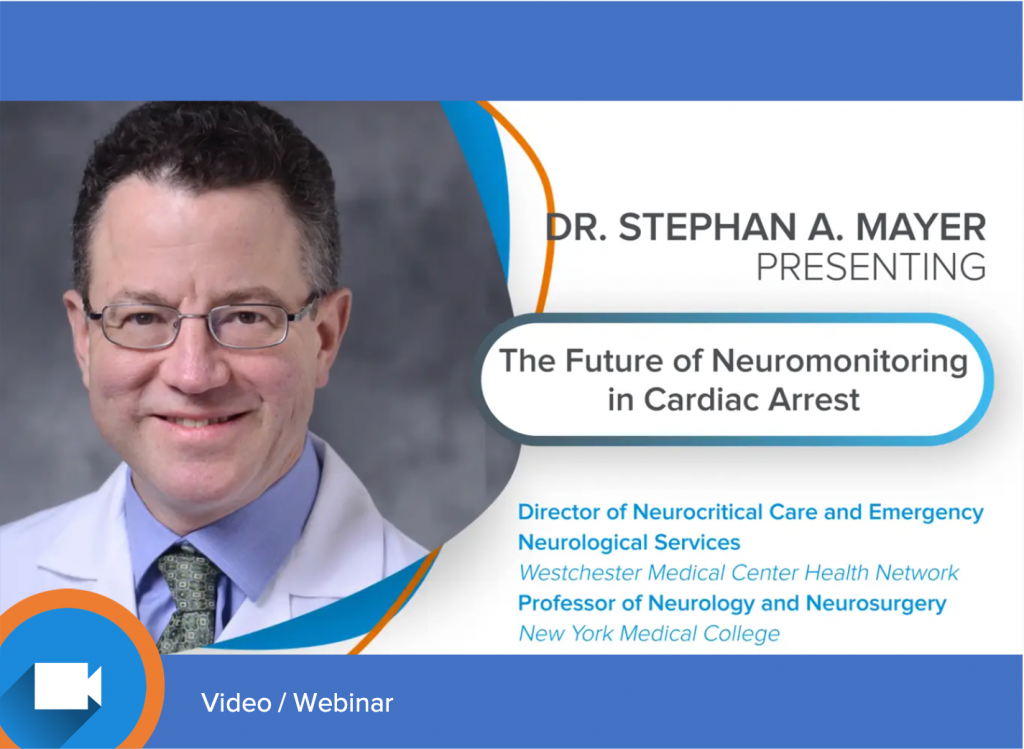
Stephan A. Mayer, MD, FCCM, FCNS, is Director of Neurocritical Care and Emergency Neurology Services at Westchester Medical Center Health Network, and Professor of Neurology and Neurosurgery (pending) at New York Medical College. Dr Mayer earned his medical degree from Cornell University Medical College in New York City. He completed a residency in neurology and […]