DECIDE Study Editorial: Sonification of Seizures: Music to Our Ears
The study makes a significant contribution to the ongoing efforts to improve access to real-time EEG acquisition and reduce time to diagnosis The novel use of a simplified EEG montage paired with sonification system may be valuable in the acute assessment of patients with suspected NCSz, leading to more accurate diagnostic decision-making and increasing physicians’ […]
Ceribell Signal Quality Manuscript: Signals Recorded With Rapid Response EEG And Conventional EEG Systems
Ceribell electrode signal quality was equivalent to conventional EEG The tested rapid response EEG system provides EEG data that is equivalent in quality to the recordings made using conventional EEG systems despite the fact that the rapid response system can be applied within a few minutes and with no reliance on specialized technologists Simultaneous recordings […]
Rapid EEG in Tertiary Care Manuscript: Utility of Rapid EEG – Experience From a Tertiary Care Medical Center
Assessing the utility of continuous and spot EEG in a tertiary care center by quantifying access time and diagnostic yield Even in a modern United States tertiary care setting with state-of-the-art EEG practice and 24 h on-call EEG technician services, there is a noticeable delay in access to EEG EEG access time was 3.7 ± […]
Rapid EEG in Community Hospital Manuscript: Rapid Response EEG For Urgent Evaluation of Patients In A Community ICU
This report confirms the ease of use and speed of acquisition and interpretation of Rapid EEG information Conventional EEG was significantly delayed (11.2 ± 3.6 hours) compared with RR-EEG (5.0 ± 2.4 minutes; P < .005) Use of RR-EEG helped clinicians rule out status epilepticus and prevent overtreatment in 4 of 10 cases [40%] RR-EEG […]
Circumferential Montage Manuscript: Diagnostic Value of Electroencephalography with Ten Electrodes in Critically Ill Patients
EEG recordings using a circumferential 10-electrode montage meet the gold standard for seizure detection Removing confounding factors, the overall concordance between fm-EEG and rm-EEG increased from 79.7% to 99.0%, and the sensitivity and specificity of rm-EEG compared to fm-EEG in detecting seizure cases increased to 97.5% and 100.0%, respectively. The concordance between fm-EEG and rm-EEG […]
Clarity AI Study Manuscript: Monitoring the Burden of Seizures in Critical Care with a Novel Machine Learning Method
Ceribell with Clarity provides 24/7 EEG monitoring with consistently high performance for seizure burden assessment and bedside alert Of the 179 EEG recordings in which Claritγ detected no seizures, [Clarity had a] negative predictive value of 99%. Individual expert raters displayed variability in both sensitivity (range 20–89%) and specificity (range 94–99%). The sensitivity for identifying […]
DECIDE Study Manuscript: Assessing The Impact of Ceribell Rapid Response EEG
Ceribell™ Rapid Response EEG was demonstrated to significantly improve clinical accuracy and confidence A substantial number of critically ill patients with altered mental status have nonconvulsive seizures; data suggests a clear association between prolonged nonconvulsive seizures and poor neurologic outcomes However, even in large academic medical centers with 24/7 in-house EEG technologists, access to conventional […]
Adult Basic and Advanced Life Support: 2020 AHA Guidelines for CPR and Emergency Cardiovascular Care
CARDIAC ARREST: Early EEG monitoring of comatose post-cardiac arrest patients should be a goal for the resuscitation community
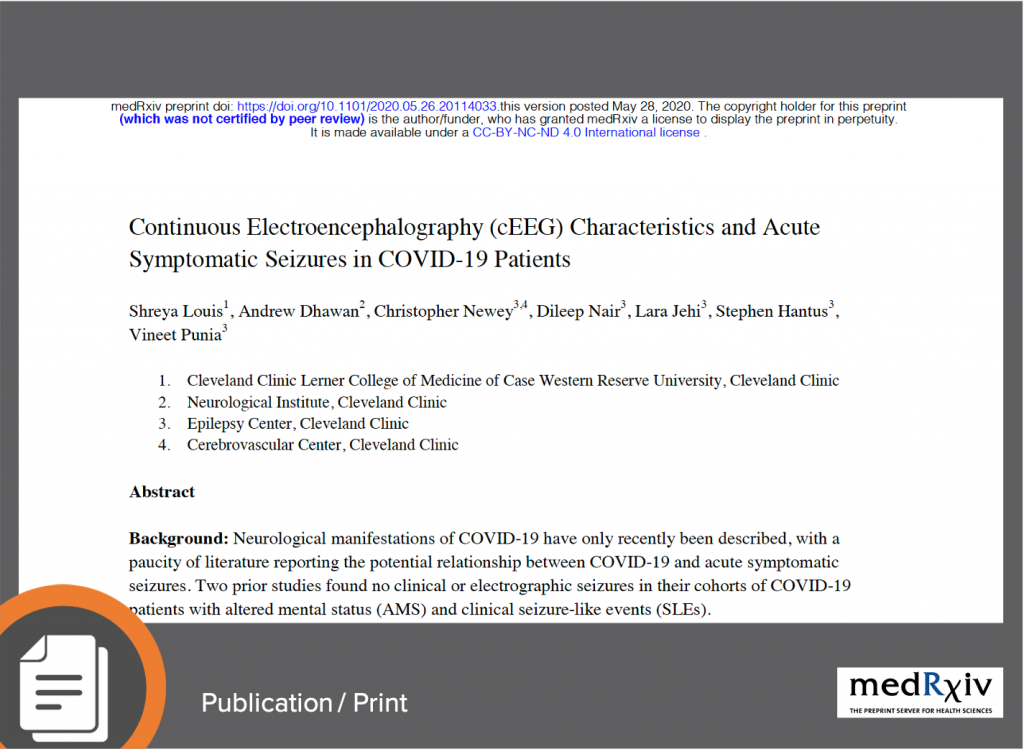
Continuous Electroencephalography (cEEG) Characteristics and Acute Symptomatic Seizures in COVID-19 Patients
COVID19: Use of EEG in the presence of COVID-19
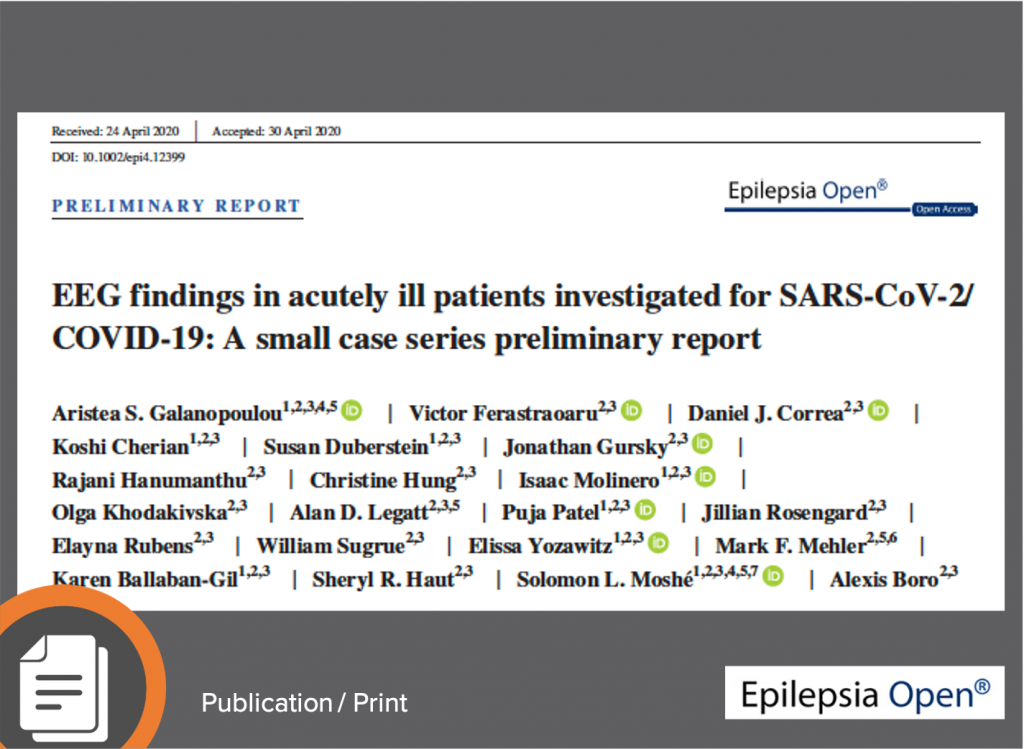
EEG Findings in Acutely Ill Patients Investigated For SARS-Cov-2/COVID-19: A Small Case Series Preliminary Report
COVID19: Use of EEG in the presence of COVID-19
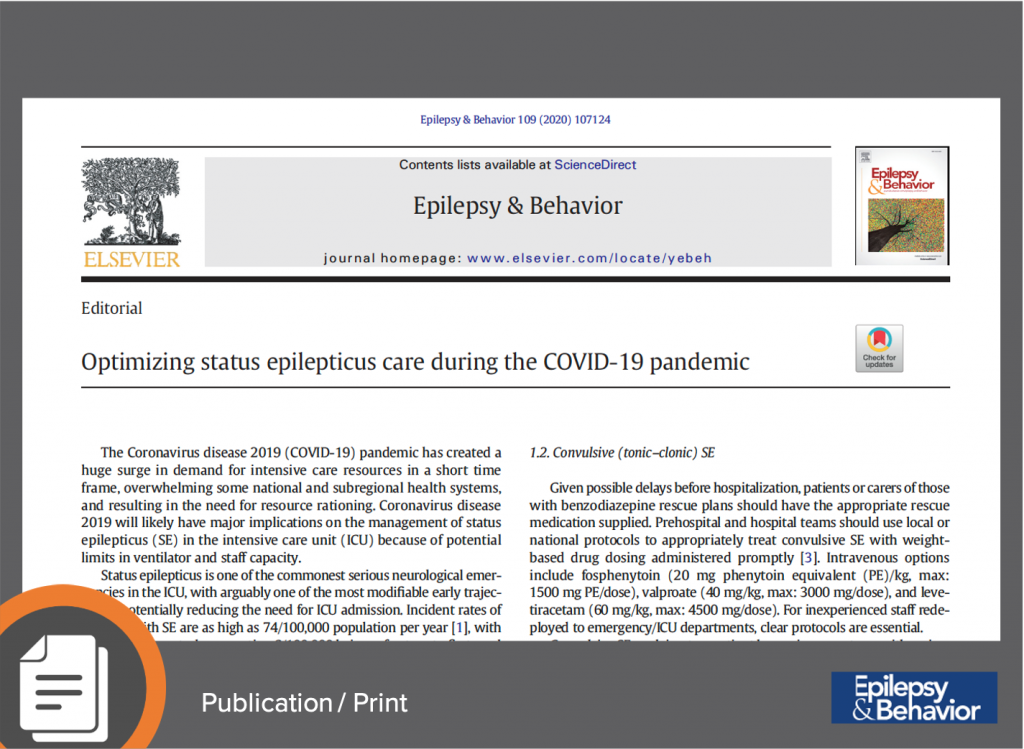
Editorial: Optimizing status epilepticus care during the COVID-19 pandemic
COVID19: Use of EEG in the presence of COVID-19
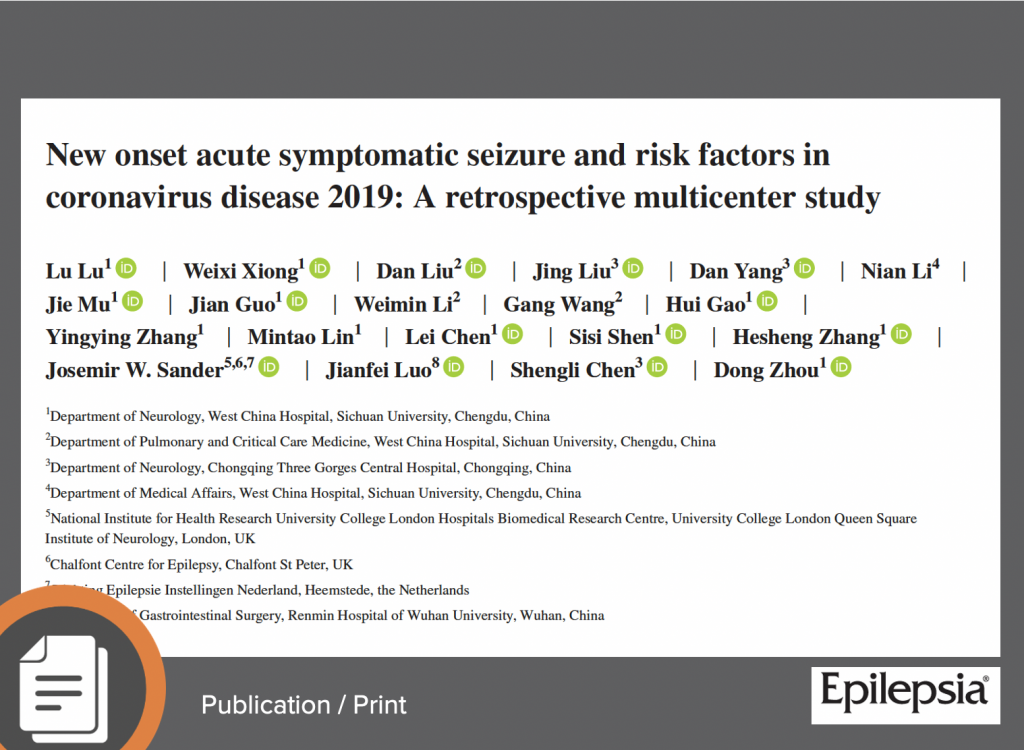
New Onset Acute Symptomatic Seizure and Risk Factors in Coronavirus Disease 2019: A Retrospective Multicenter Study
COVID19: Neurological involvement in COVID-19