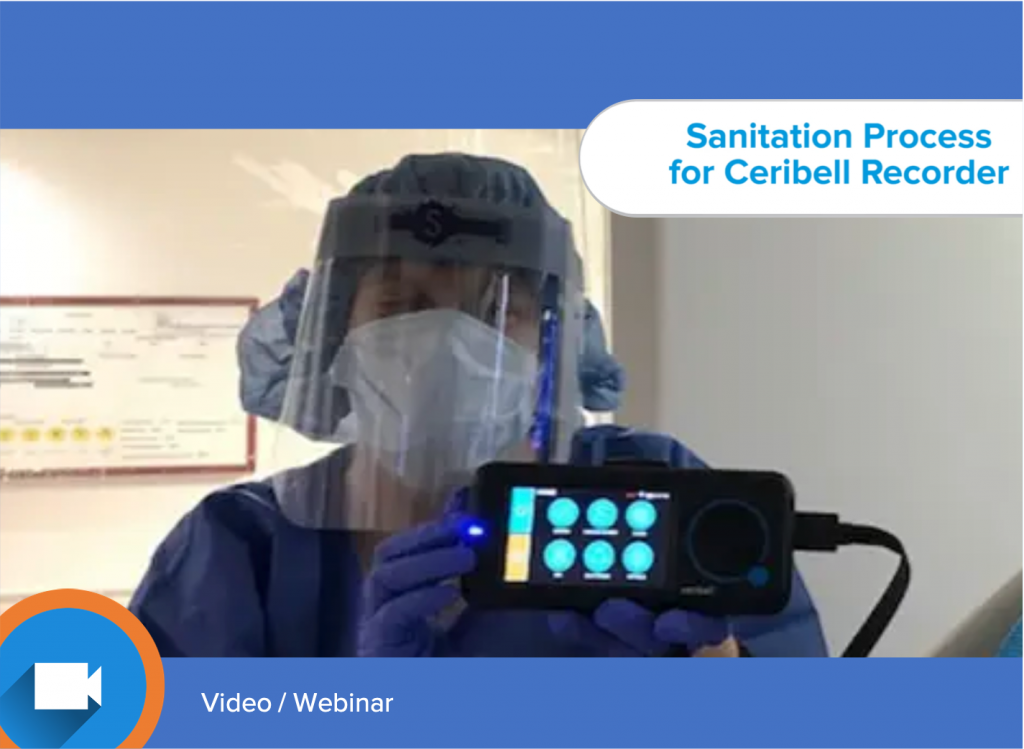
ED Webinar: Point-of-Care Brain Monitoring in Emergency Medicine
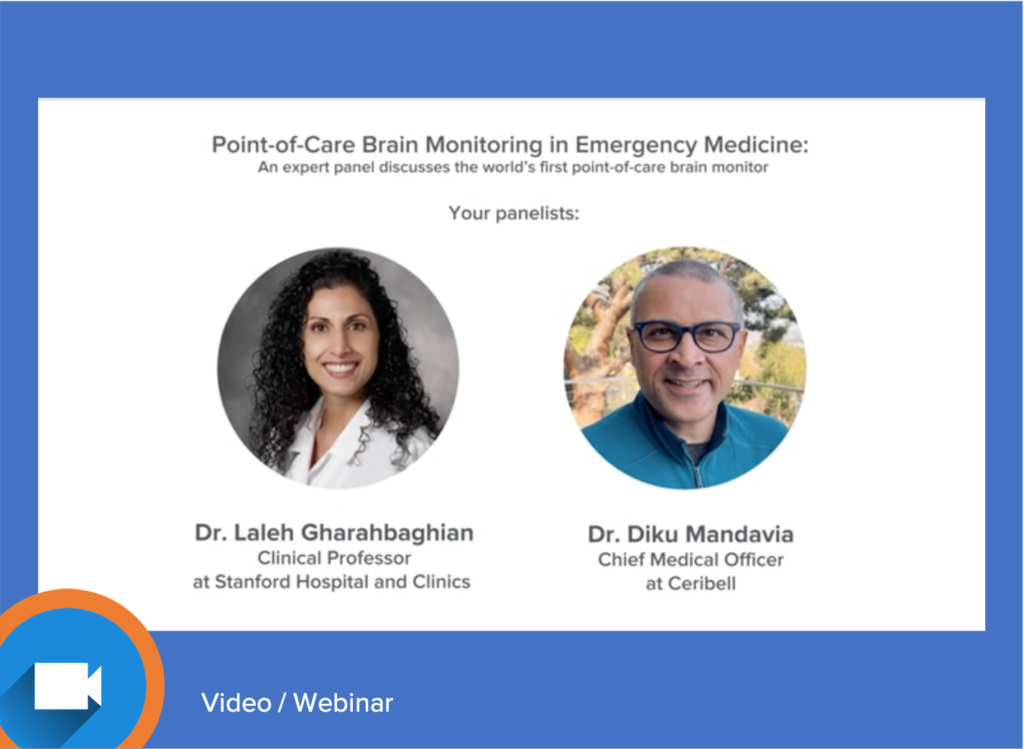
Webinar: Point-of-Care Brain Monitoring in Emergency Medicine In this webinar, Dr. Gharahbaghian and Dr. Mandavia will discuss brain monitoring in the emergency environment. The discussion will cover Stanford emergency care experience with Ceribell, including program implementation, real-world cases and impact. The discussion will be followed with live Q&A.
Cardiac Arrest Demands Emergency EEG
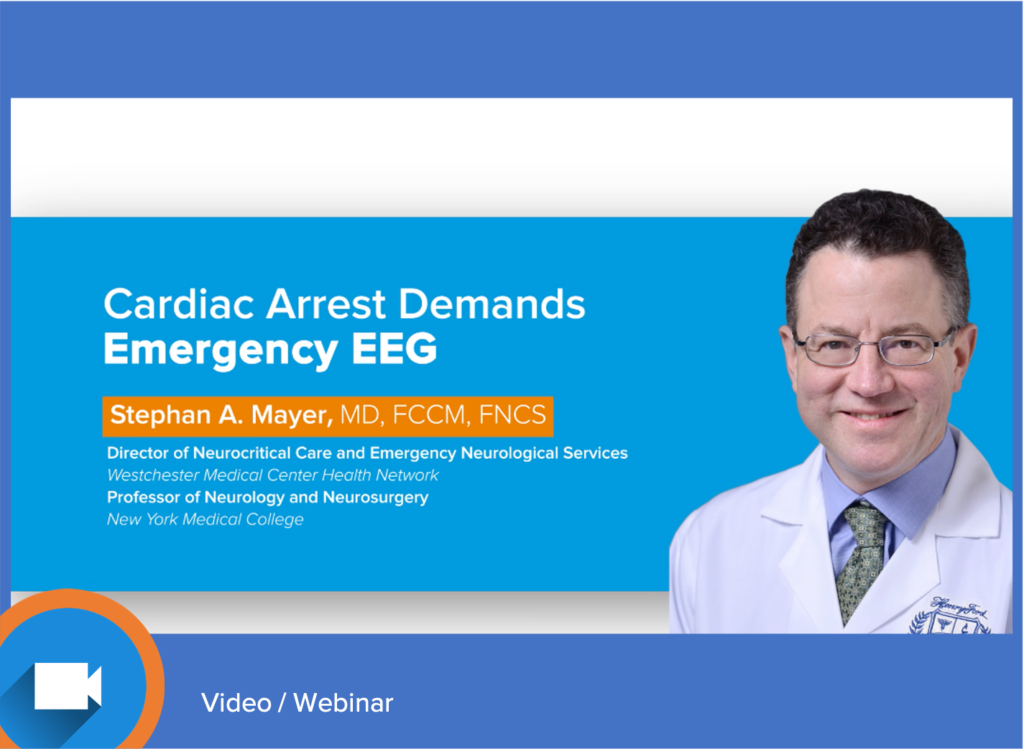
Dr. Stephan A. Mayer presents on Cardiac Arrest and Emergency EEG
Economic Value of Ceribell Rapid EEG

Potentially life-threatening diagnosis of non-convulsive status epilepticus (NCSE) can only be confirmed with electroencephalography (EEG). When access to EEG is limited, physicians may empirically treat, risking unnecessary sedation and intubation, or not treat, increasing risk of refractory seizures. Either may prolong hospital length of stay (LOS). The current study aimed to examine the effect of […]
Evaluating the Utility of Rapid Response EEG in Emergency Care
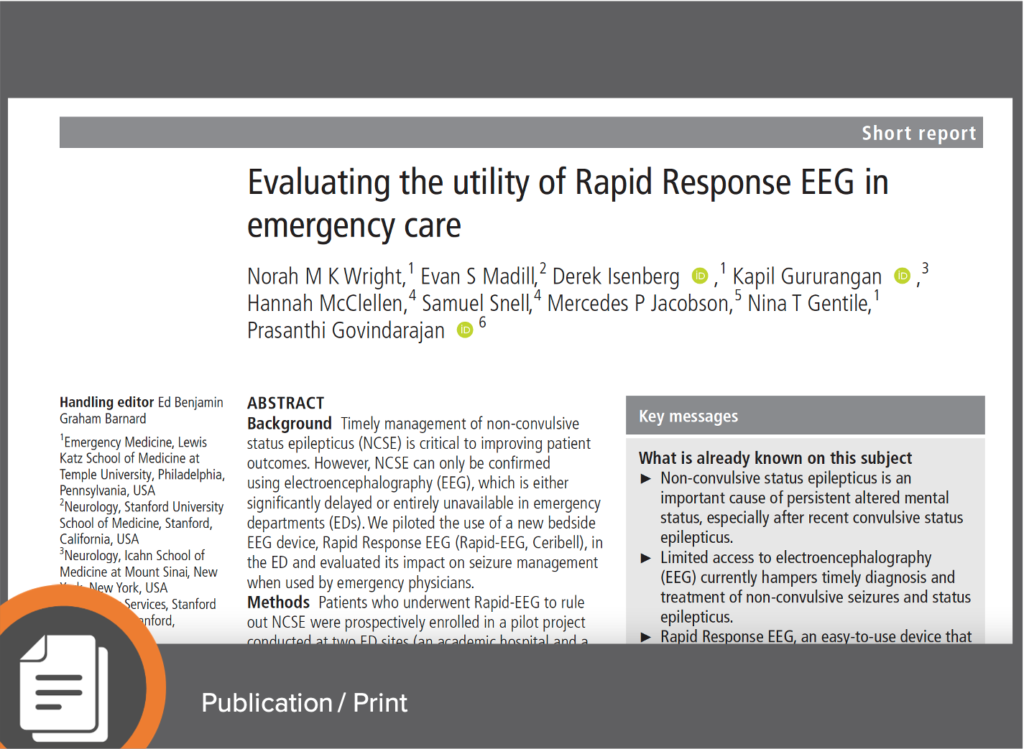
Rapid- EEG was successfully deployed by emergency physicians at academic and community hospitals, and the device changed management in a majority of cases. Widespread adoption of Rapid- EEG may lead to earlier diagnosis of NCSE, reduced unnecessary treatment and expedited disposition of seizure mimics.
Ceribell Clarity detected NCSE in cardiac arrest patient
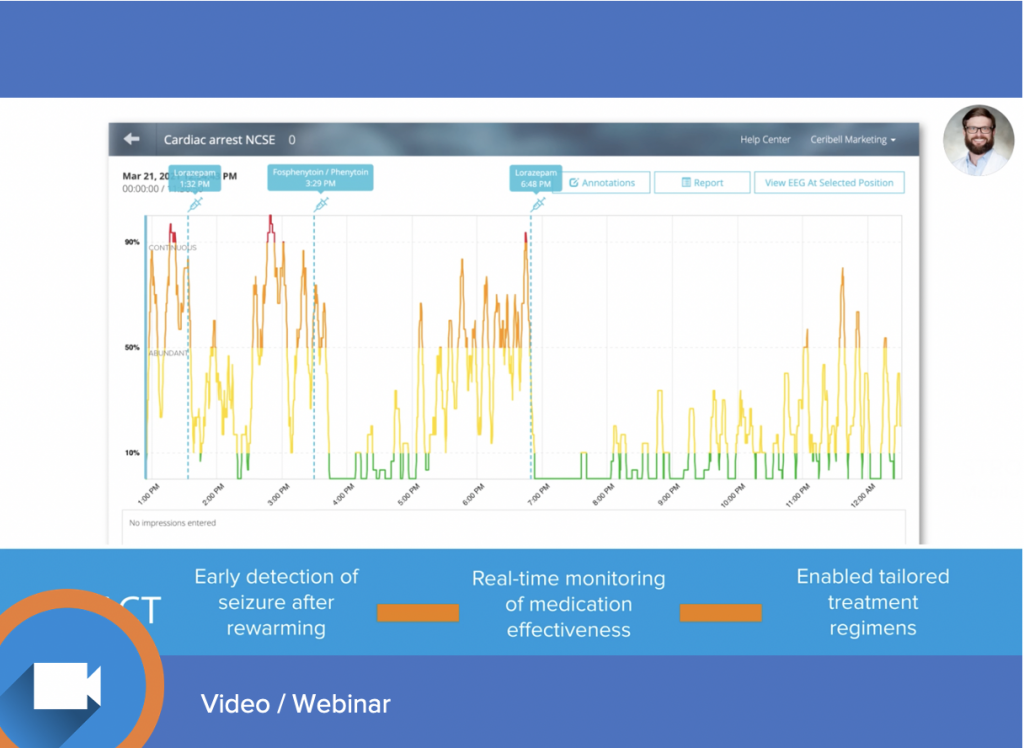
Ceribell Clarity detected NCSE in cardiac arrest patient, and the real-time monitoring of medication effectiveness enabled tailored treatment regimens
Ceribell Rapid EEG Enables Bedside Seizure Detection and Medication Management by Nursing Team
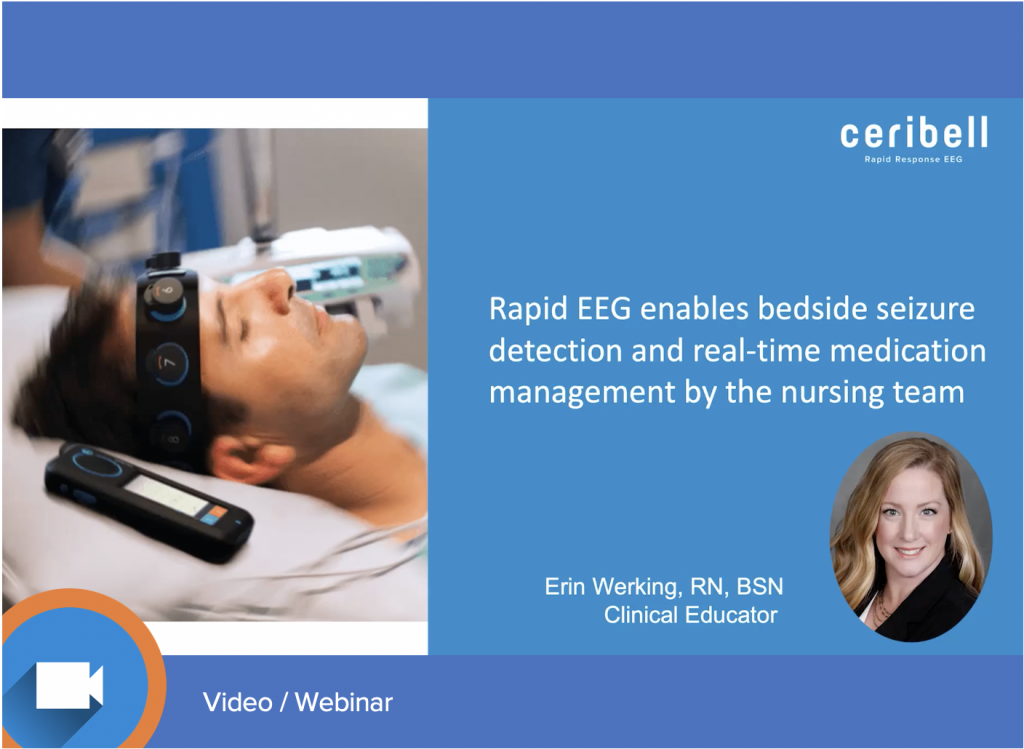
Seizures occur in up to 25% of critically ill neurologic and cardiac patients and the majority are non-convulsive seizures that can only be detected with EEG. Time to treatment is critical for clinical outcome. 2020 AHA guidelines recommends prompt EEG for patients after ROSC, and Neurocritical Care guideline requires EEG be initiated within 60 minutes. […]
Educational Webinar: AHA Post-Cardiac Arrest Class 1 Guidelines

Dr. Jake Adams presented on: – Patient risk for seizure after cardiac arrest – The implications of prolonged seizure/status in this patient population – Implementing the guidelines for prompt EEG in a community setting – Case review and impact Jake Adams, DO National Tele-ICU Director – Sound Critical Care Northern California Dr. Jake Adams, is […]
Skill-building Webinar: Reading Ceribell EEG
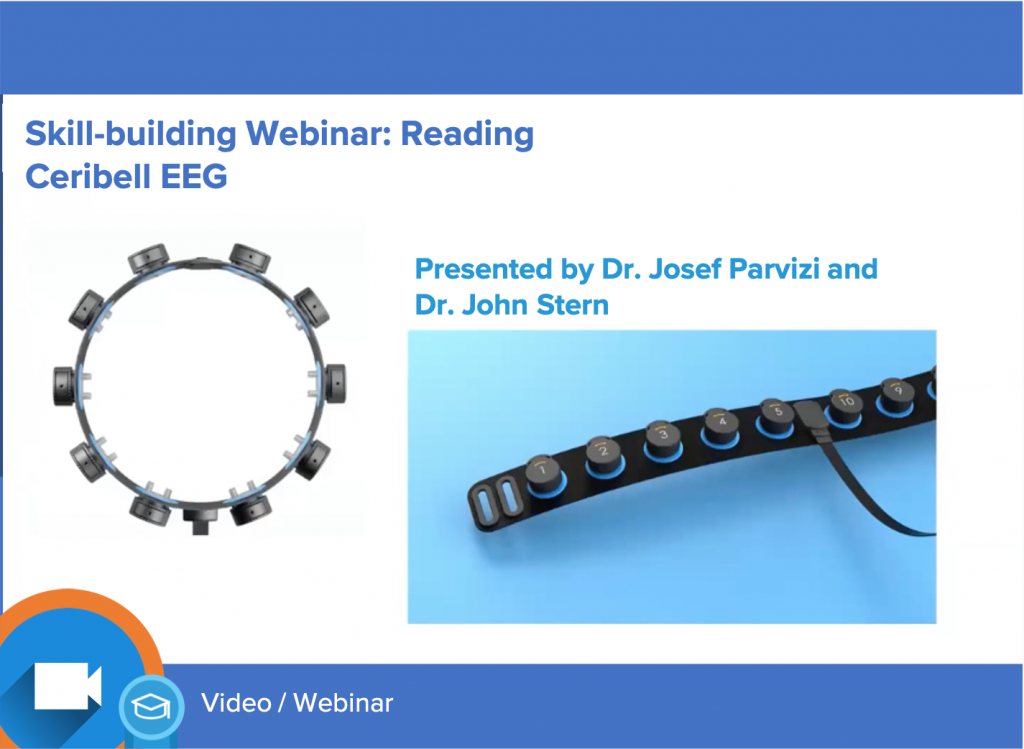
Dr. Josef Parvizi and Dr. John Stern discuss: The basics of EEG Common artifacts and EEG characteristics EEG examples on Ceribell Real-world cases with Ceribell EEG (recorded at the 3.25 AM session) Dr. Josef Parvizi, MD, PhD is a Professor of Neurology and Neurological Sciences at Stanford University Medical Center. He has extensively published original scientific works […]
ICU Nurse Demonstrates the Ceribell EEG System
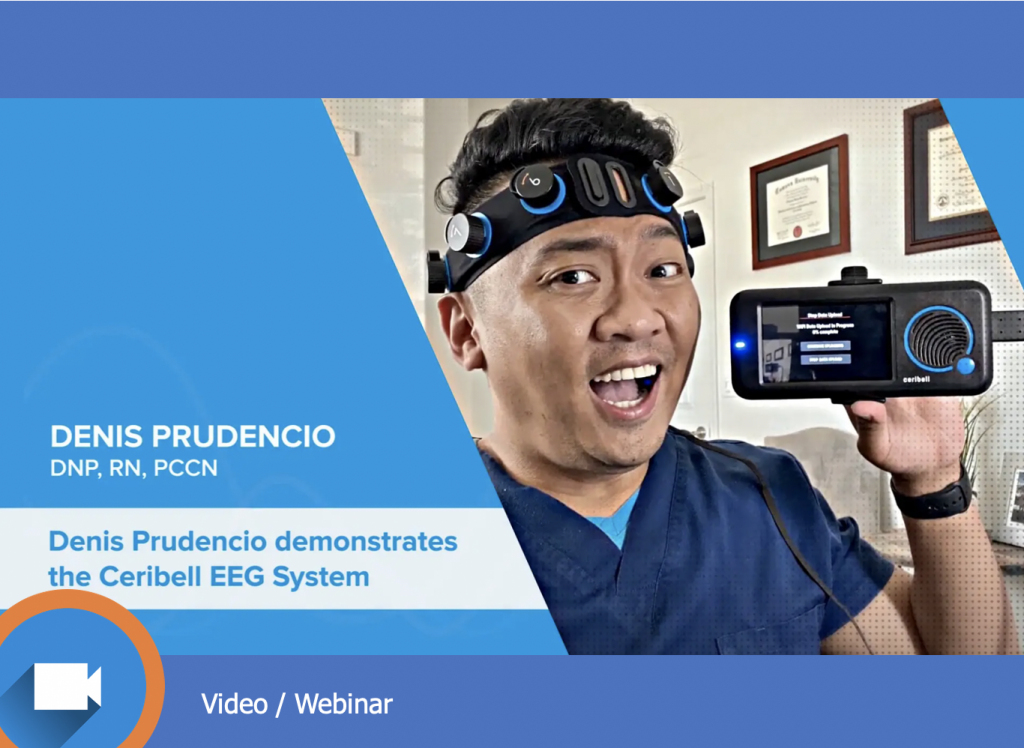
Denis Prudencio shares real-world experiences: Impact of Ceribell Rapid Response EEG Denis Prudencio, DNP, is a nurse in California. He shares his experiences with the Ceribell EEG, and demonstrates how to use the system.
The Invention of Ceribell As Described By the Inventors
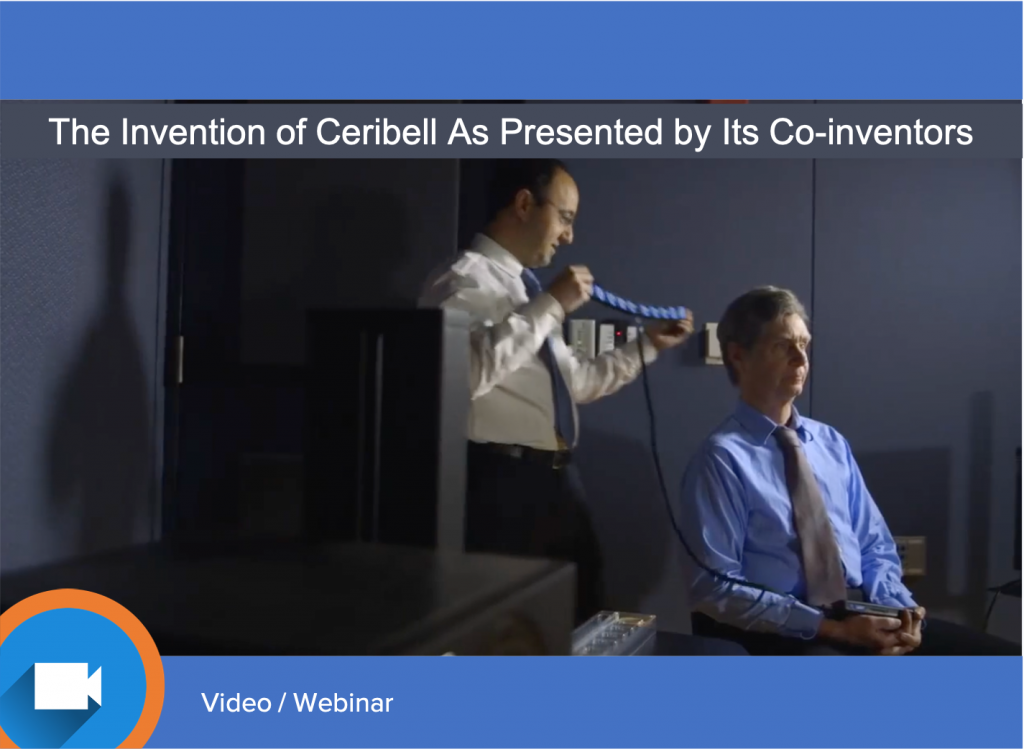
Dr. Josef Parvizi and Dr. Chris Chafe co-invented the Ceribell Rapid Response EEG system. They share their inspiration and collaboration that lead to this important Critical Care tool. Josef Parvizi, MD, PhD is a Professor of Neurology and Neurological Sciences at Stanford University Medical Center. Chris Chafe, PhD is a Professor of Computer Research in […]
Ceribell Health Economics Manuscript: Use of Ceribell EEG results in average savings of >$5k per patient
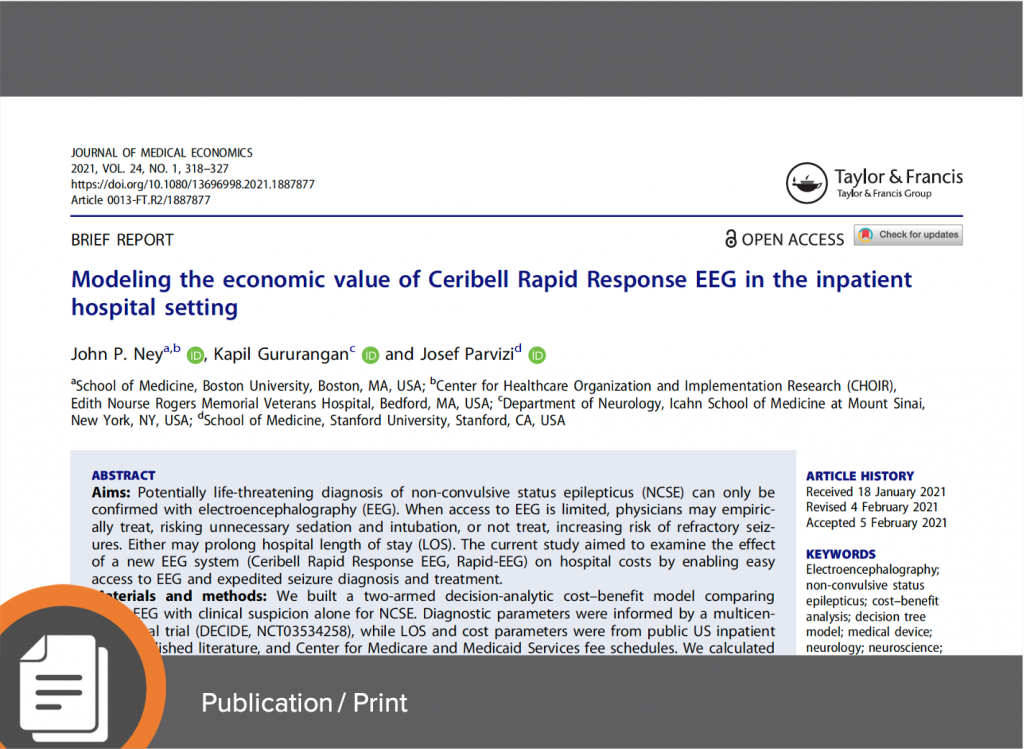
Ceribell Rapid EEG alters the treatment course for patients with suspected seizures and will result in cost savings per patient. Using PSA, Rapid-EEG saving was $5,633 per use case (95% PI: $($4,649 to $6,617) Rapid EEG use led to reduction in the hospital LOS by 1.2 days (6.1 vs. 7.4 days) and ICU LOS by […]
Sanitizing the Ceribell Rapid Response EEG