Webinar: Meeting the New Joint Commission Performance Standards with Multi-disciplinary Evidence-based Protocols for Post Cardiac Arrest Care
Mary Kay Bader RN, MSN, CCNS, CCRN, CNRN, SCRN, FNCS, FAHA of Mission Hospital discusses how her hospital implemented an evidence-based workflow to improve patient care for post cardiac arrest patients and align with the new Joint Commission standards. Attend to hear why prompt EEG after ROSC is included in the AHA Guidelines as part […]
Cardiac Arrest Demands Emergency EEG
Dr. Stephan A. Mayer presents on Cardiac Arrest and Emergency EEG
Ceribell Clarity detected NCSE in cardiac arrest patient
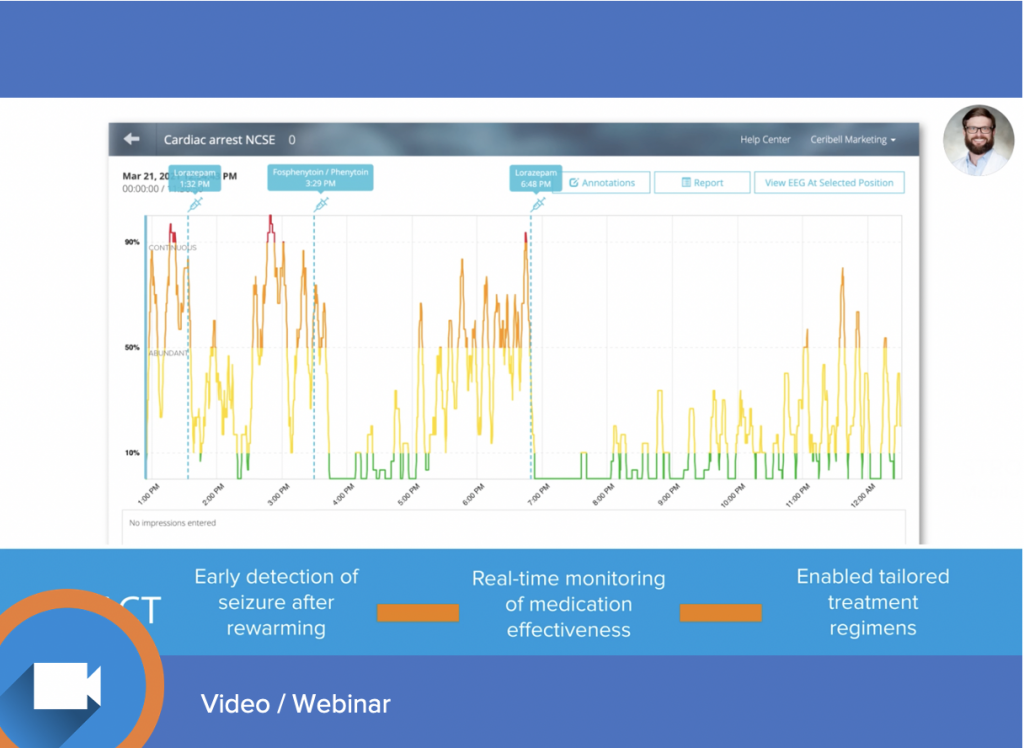
Ceribell Clarity detected NCSE in cardiac arrest patient, and the real-time monitoring of medication effectiveness enabled tailored treatment regimens
Ceribell Rapid EEG Enables Bedside Seizure Detection and Medication Management by Nursing Team
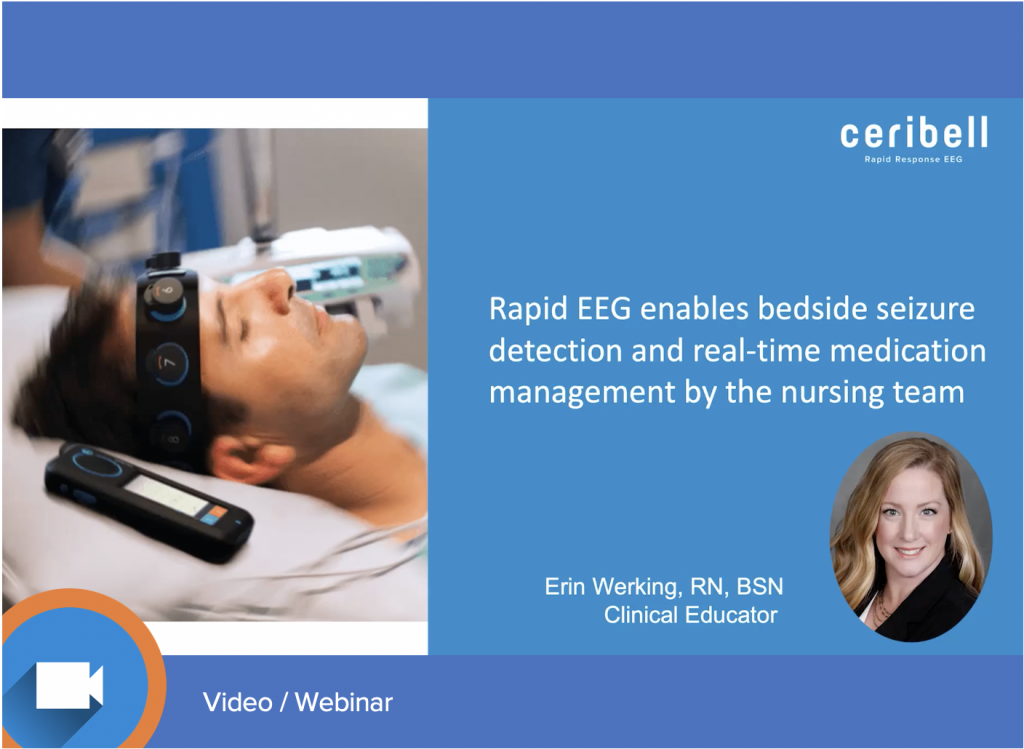
Seizures occur in up to 25% of critically ill neurologic and cardiac patients and the majority are non-convulsive seizures that can only be detected with EEG. Time to treatment is critical for clinical outcome. 2020 AHA guidelines recommends prompt EEG for patients after ROSC, and Neurocritical Care guideline requires EEG be initiated within 60 minutes. […]
Educational Webinar: AHA Post-Cardiac Arrest Class 1 Guidelines

Dr. Jake Adams presented on: – Patient risk for seizure after cardiac arrest – The implications of prolonged seizure/status in this patient population – Implementing the guidelines for prompt EEG in a community setting – Case review and impact Jake Adams, DO National Tele-ICU Director – Sound Critical Care Northern California Dr. Jake Adams, is […]
2020 AHA guidelines recommend prompt EEG after cardiac arrest. With Ceribell, any bedside clinician can set-up EEG and triage in minutes.
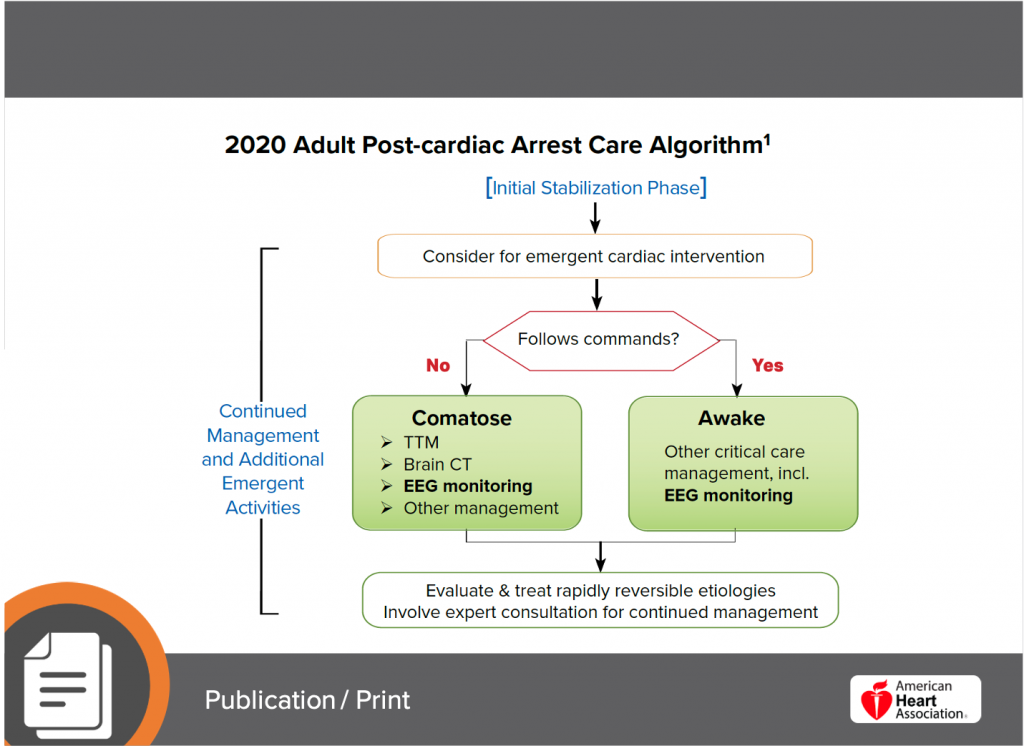
“Many cardiac arrest patients who survive the initial event will eventually die because of withdrawal of life-sustaining treatment in the setting of neurological injury… Thus, much of post-arrest care focuses on mitigating injury to the brain.” -Circulation. 2020;142(suppl 2):S366–S468. DOI: 10.1161/CIR.0000000000000916 Prompt EEG is recommended for post-cardiac arrest monitoring and prognostication. Download the guidelines here.
Dr. Stephan Mayer Webinar: Post Cardiac Arrest Guidelines and Neuromonitoring In the ICU
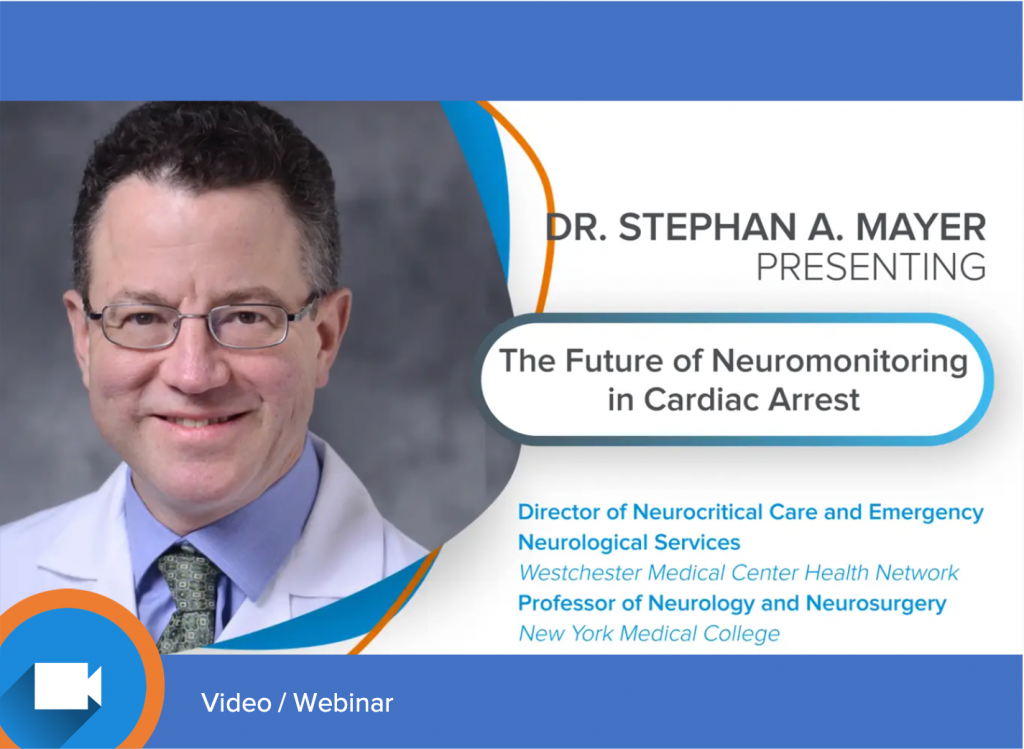
Stephan A. Mayer, MD, FCCM, FCNS, is Director of Neurocritical Care and Emergency Neurology Services at Westchester Medical Center Health Network, and Professor of Neurology and Neurosurgery (pending) at New York Medical College. Dr Mayer earned his medical degree from Cornell University Medical College in New York City. He completed a residency in neurology and […]
Dr. Andrea Rossetti Webinar: Early Prognostication Using EEG Post Cardiac Arrest
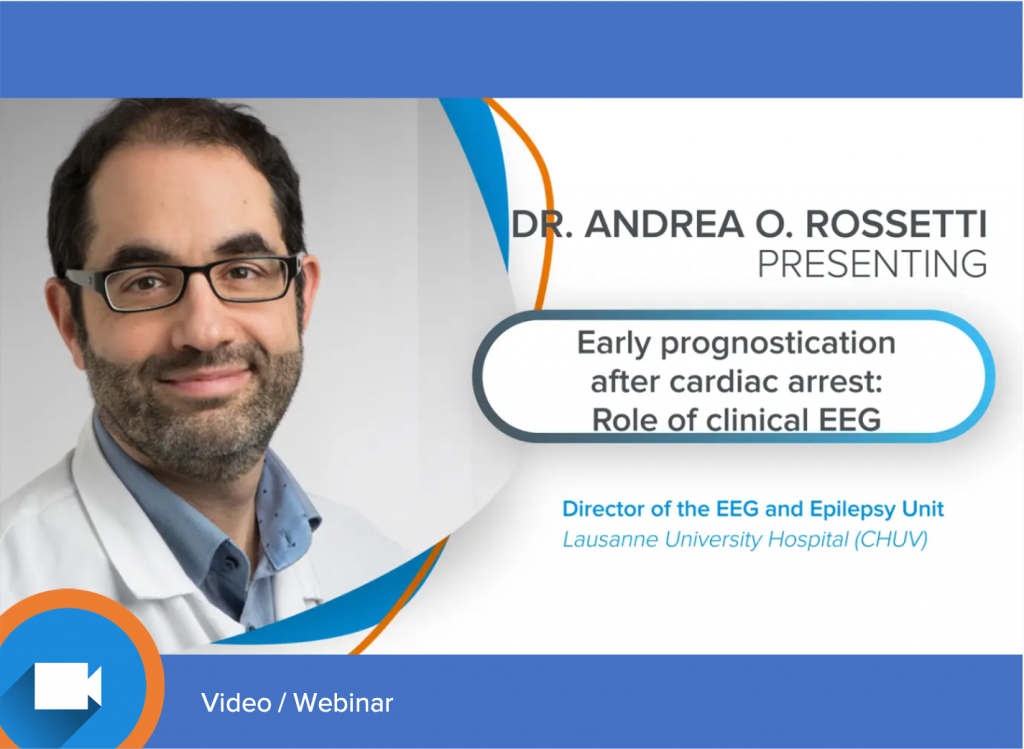
Andrea O. Rossetti, MD is the Director of the EEG/Epilepsy Unit at the Department of Clinical Neurosciences the Lausanne University Hospital (CHUV), Switzerland. He received his medical degree from the University of Bern and trained in Lausanne, Bern and Lugano. After a fellowship at Brigham and Women’s Hospital, Harvard Medical School in Boston, Prof. Rossetti […]
Rapid EEG for Cardiac Arrest Patients Manuscript: Reduced EEG Montage Has A High Accuracy In the Post Cardiac Arrest Setting
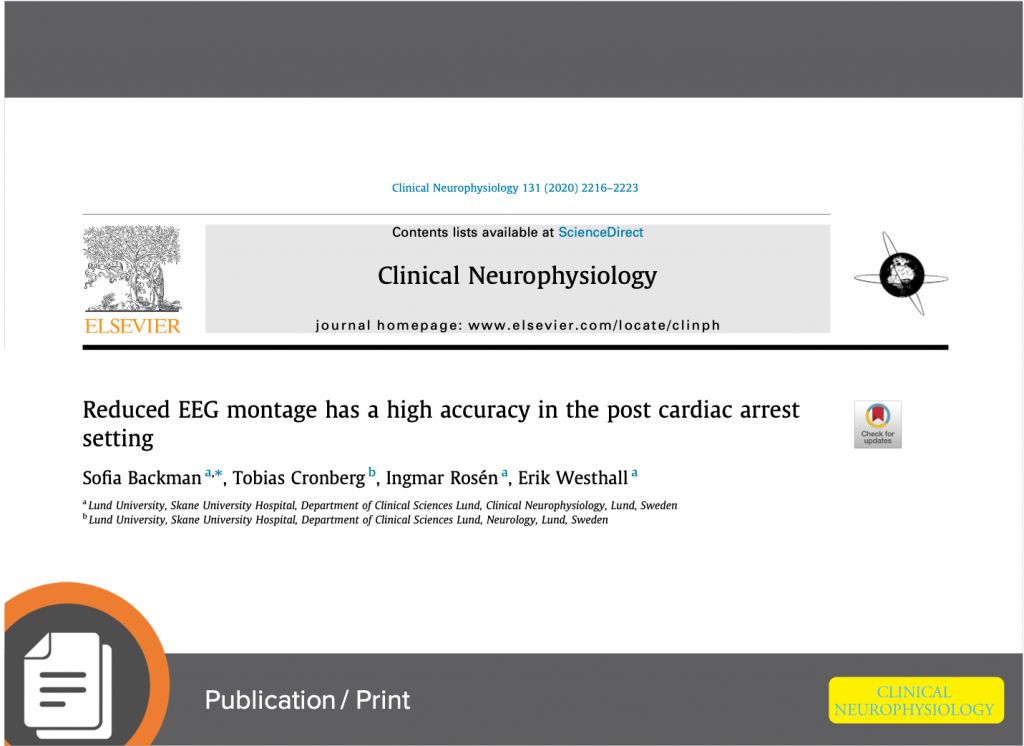
Reduced EEG montage like that used by Ceribell Rapid EEG has a high accuracy for seizure triage in the post cardiac arrest setting A reduced electrode montage may be used for post cardiac arrest EEG monitoring Background patterns were almost perfectly assessed with a reduced montage Discharge patterns were identified with high accuracy
Adult Basic and Advanced Life Support: 2020 AHA Guidelines for CPR and Emergency Cardiovascular Care
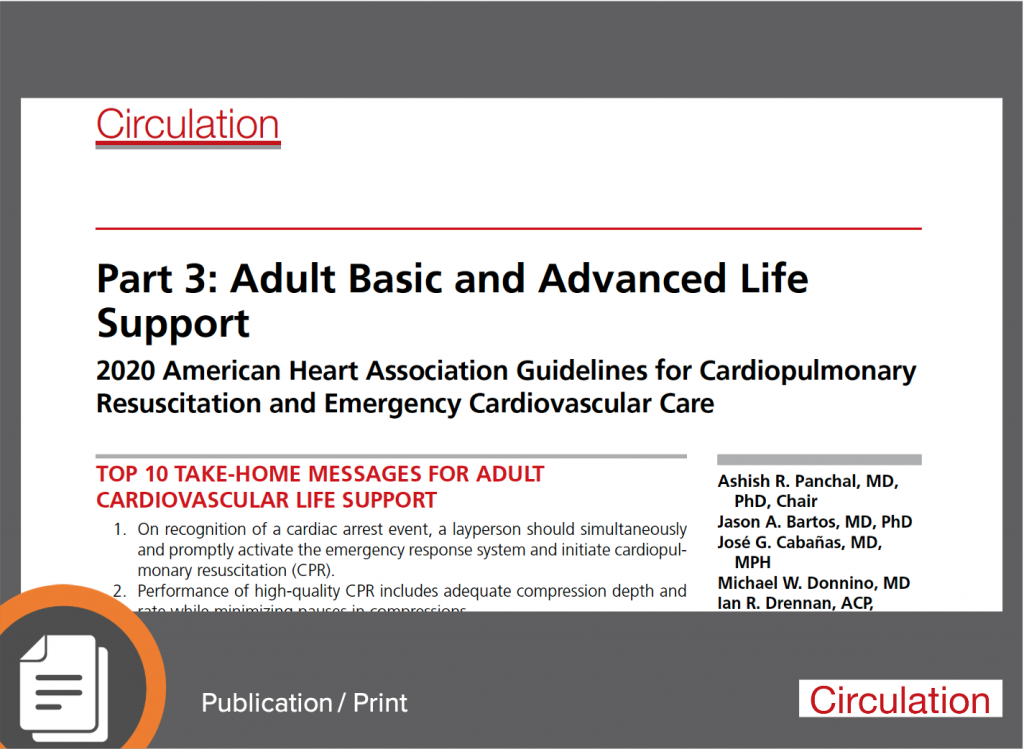
CARDIAC ARREST: Early EEG monitoring of comatose post-cardiac arrest patients should be a goal for the resuscitation community
The Incidence of Seizures in Patients Undergoing Therapeutic Hypothermia After Resuscitation From Cardiac Arrest
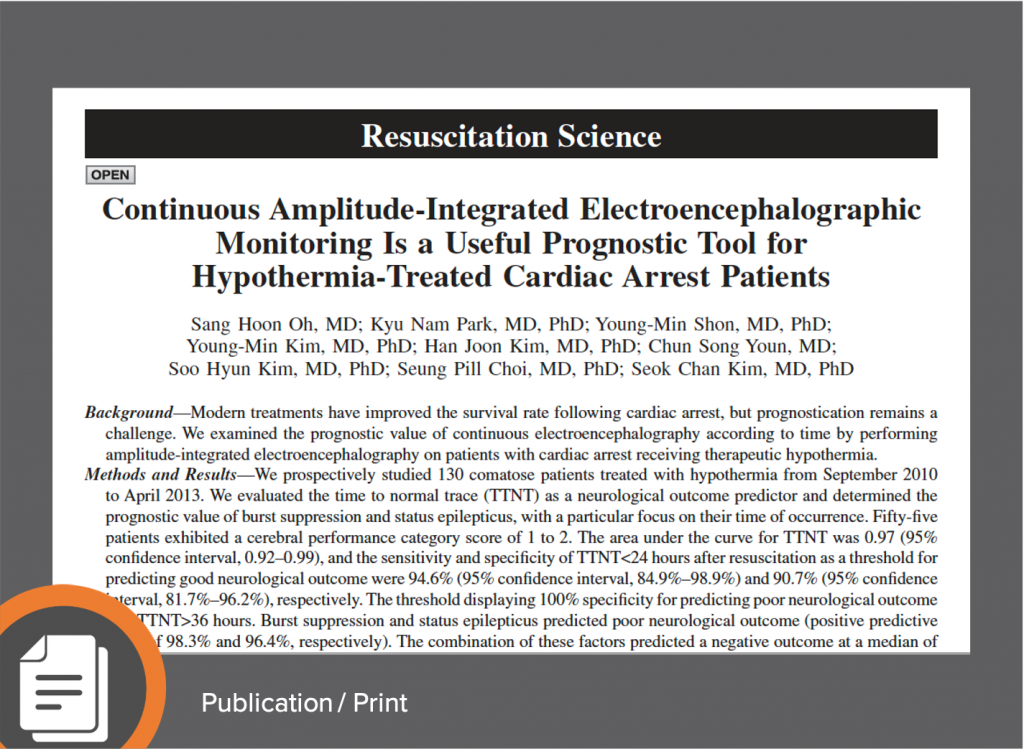
CARDIAC ARREST: Seizures and NCSE are common in post-cardiac arrest patients and are correlated with poor outcomes; time to normal is correlated with good neurologic outcomes
Frequency and Timing of Nonconvulsive Status Epilepticus in Comatose Post-Cardiac Arrest Subjects Treated with Hypothermia
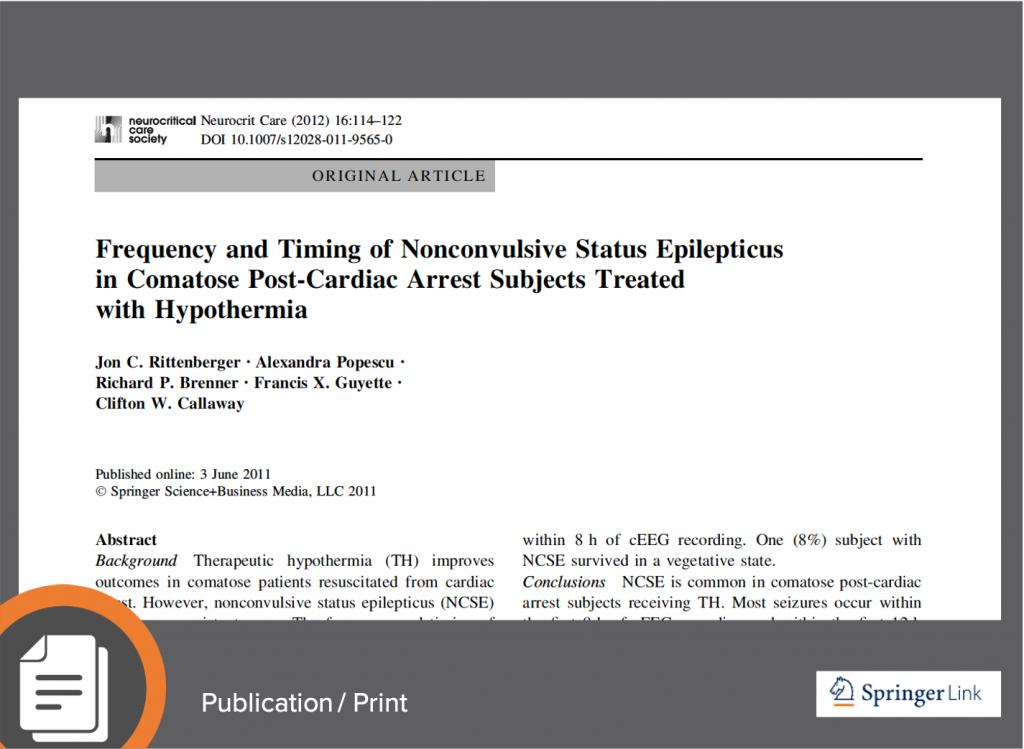
CARDIAC ARREST: Seizures and NCSE are common in post-cardiac arrest patients and are correlated with poor outcomes; time to normal is correlated with good neurologic outcomes